
featured work
CREATURE / CHARACTER DESIGN
Character & Creature Concept Artist · Visual exploration and design development · Client concept-art assignments
ROLE
CLIENT
DISCIPLINE
Character & Creature Concept Artist
Client assignments
Visual Development
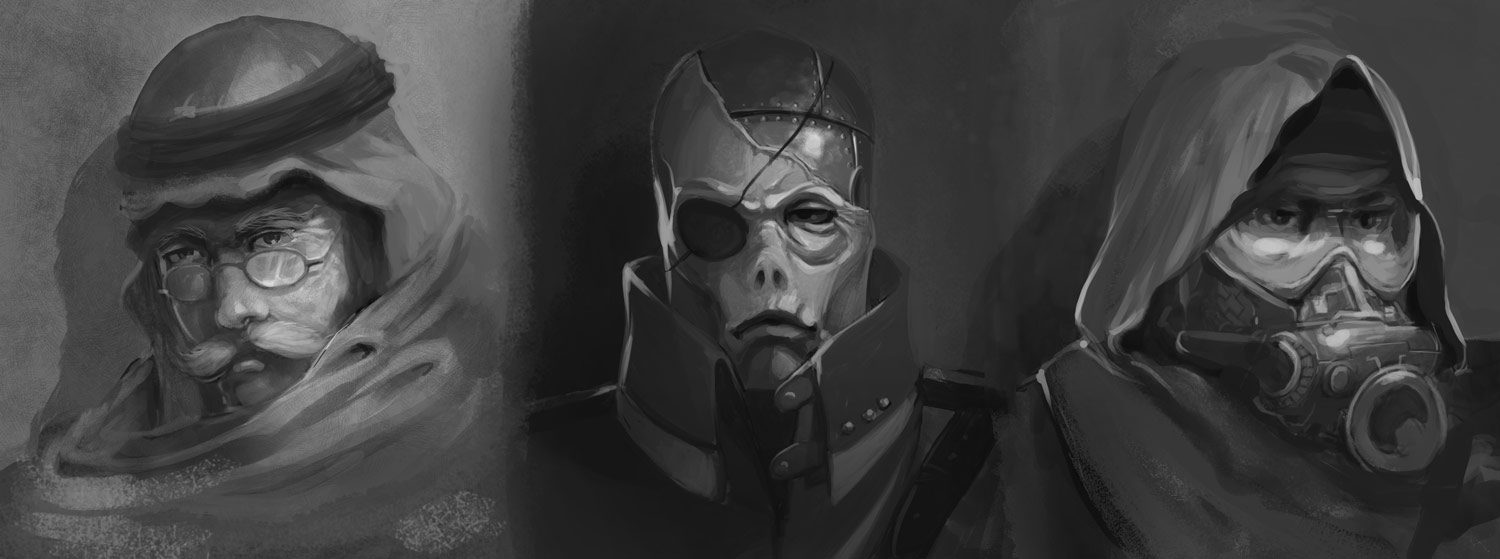
Exploring character identity
I developed the character and creature designs in this collection through exploratory sketches, anatomy studies, illustration and presentation graphics. My hands-on work moves from silhouette, proportion and expression studies to resolved designs and finished artwork.
The collection shows how I use drawing to test ideas, establish distinct visual identities and connect a subject’s appearance with its personality, movement or fictional world.

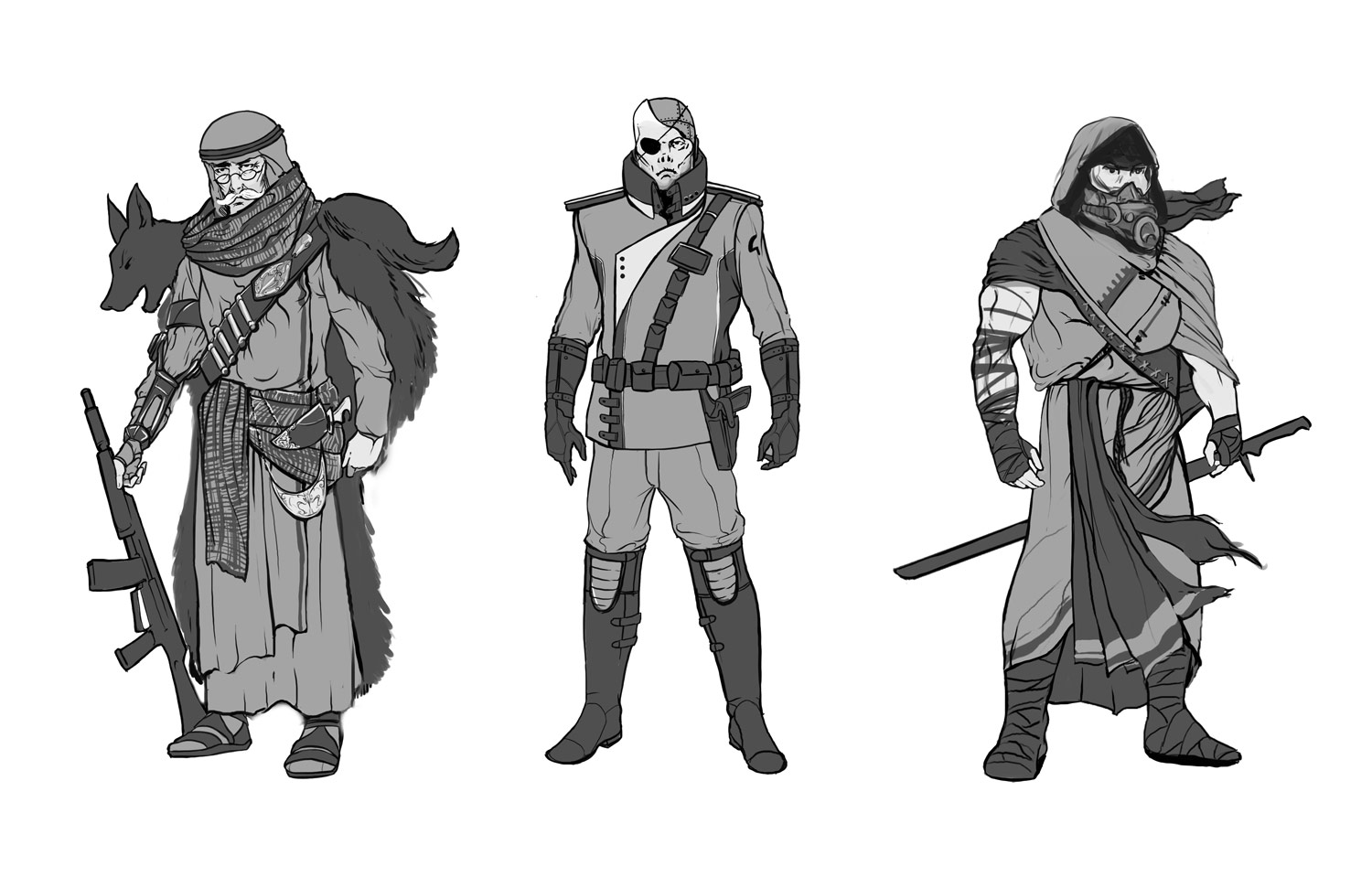
Developing distinct character options
I used drawing to investigate variations in character design. The exploratory work made the visual choices tangible and gave the assignments multiple directions to consider.
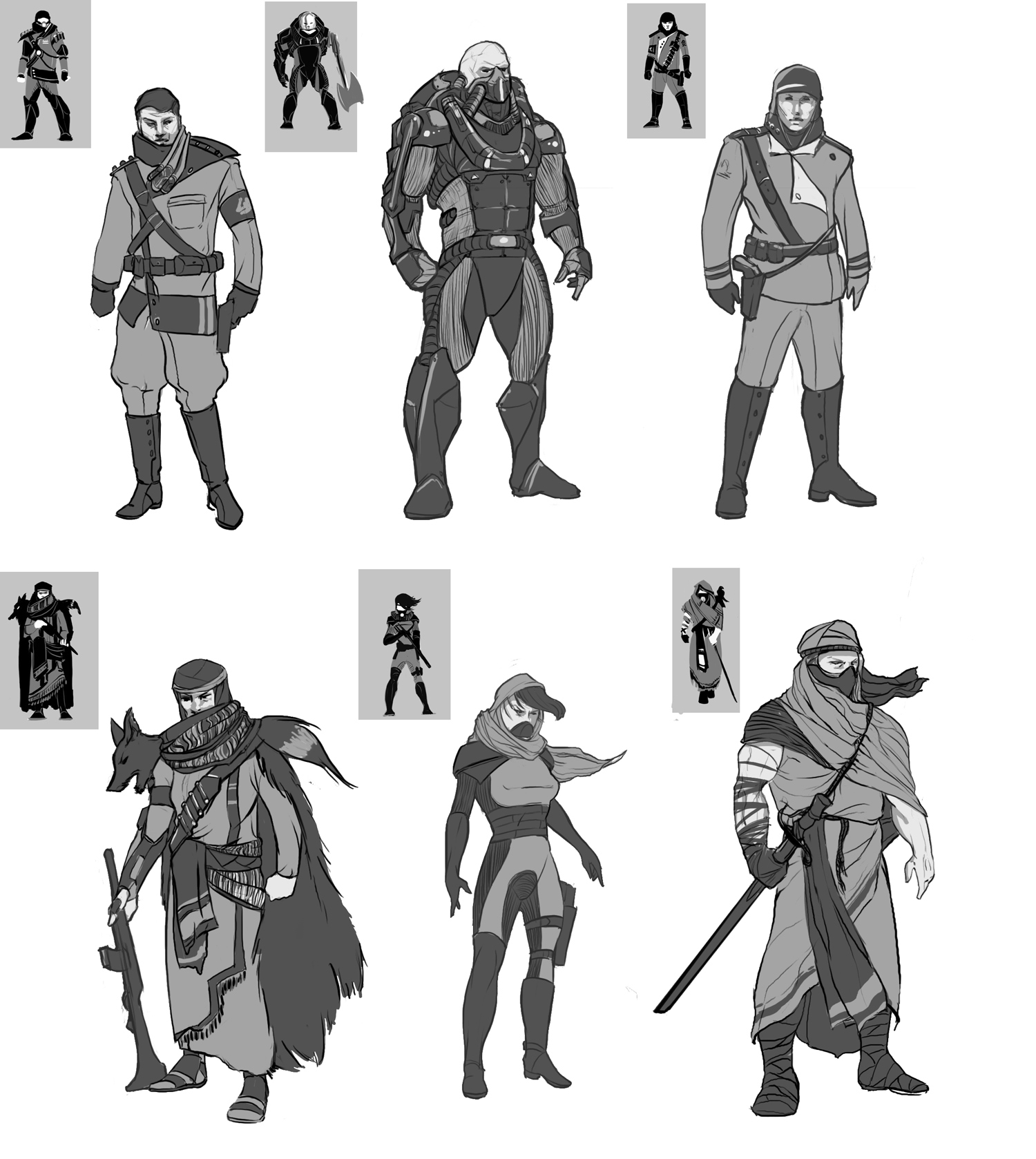
Testing the design through drawing
I developed character options through line work and form exploration. This supported the design of the characters themselves, before focusing on the finish of a single illustration.
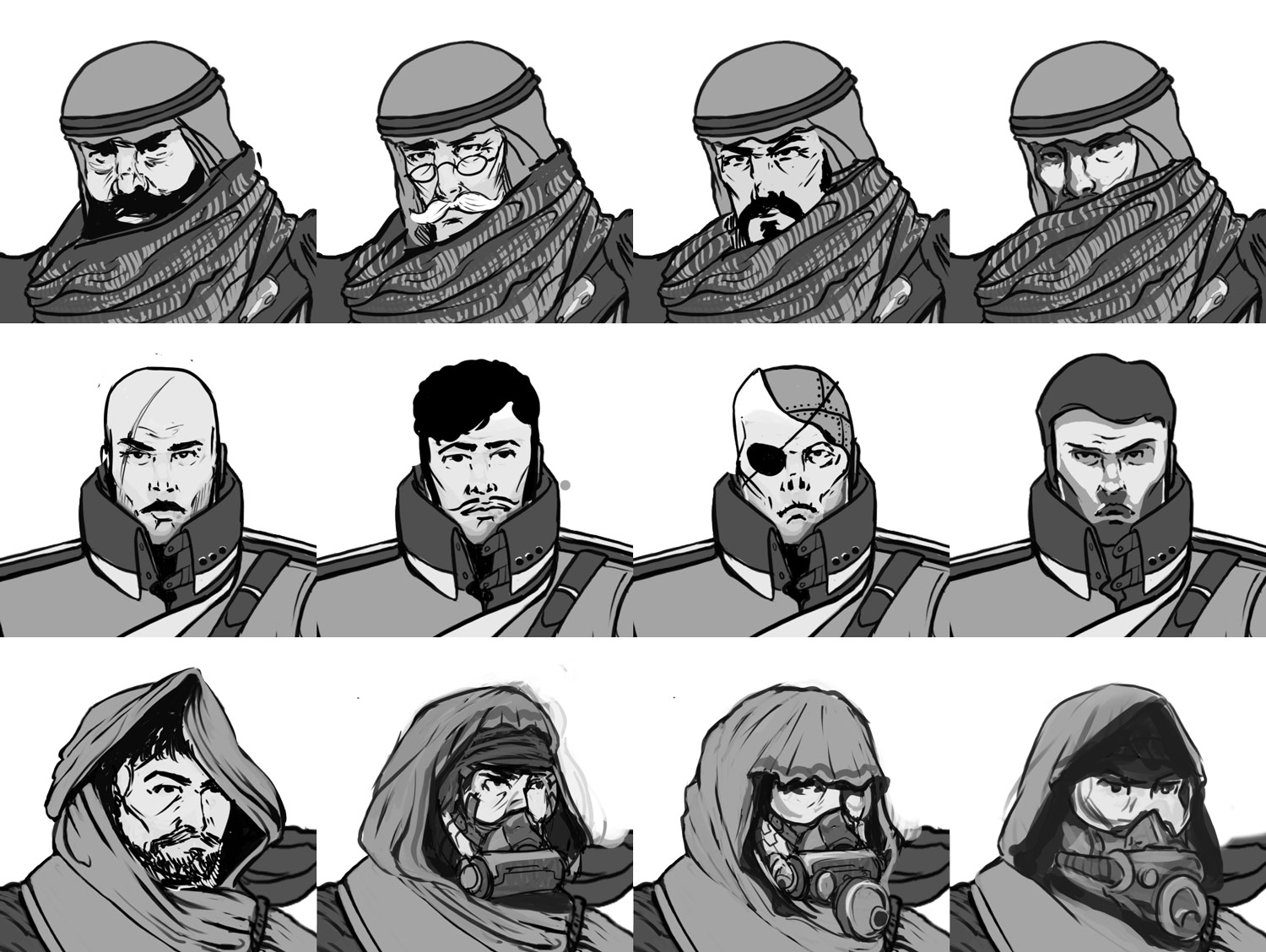
Refining expression and facial treatment
I explored the facial and costume details that helped distinguish the characters. These studies formed part of my client visual-development work in character and creature design.
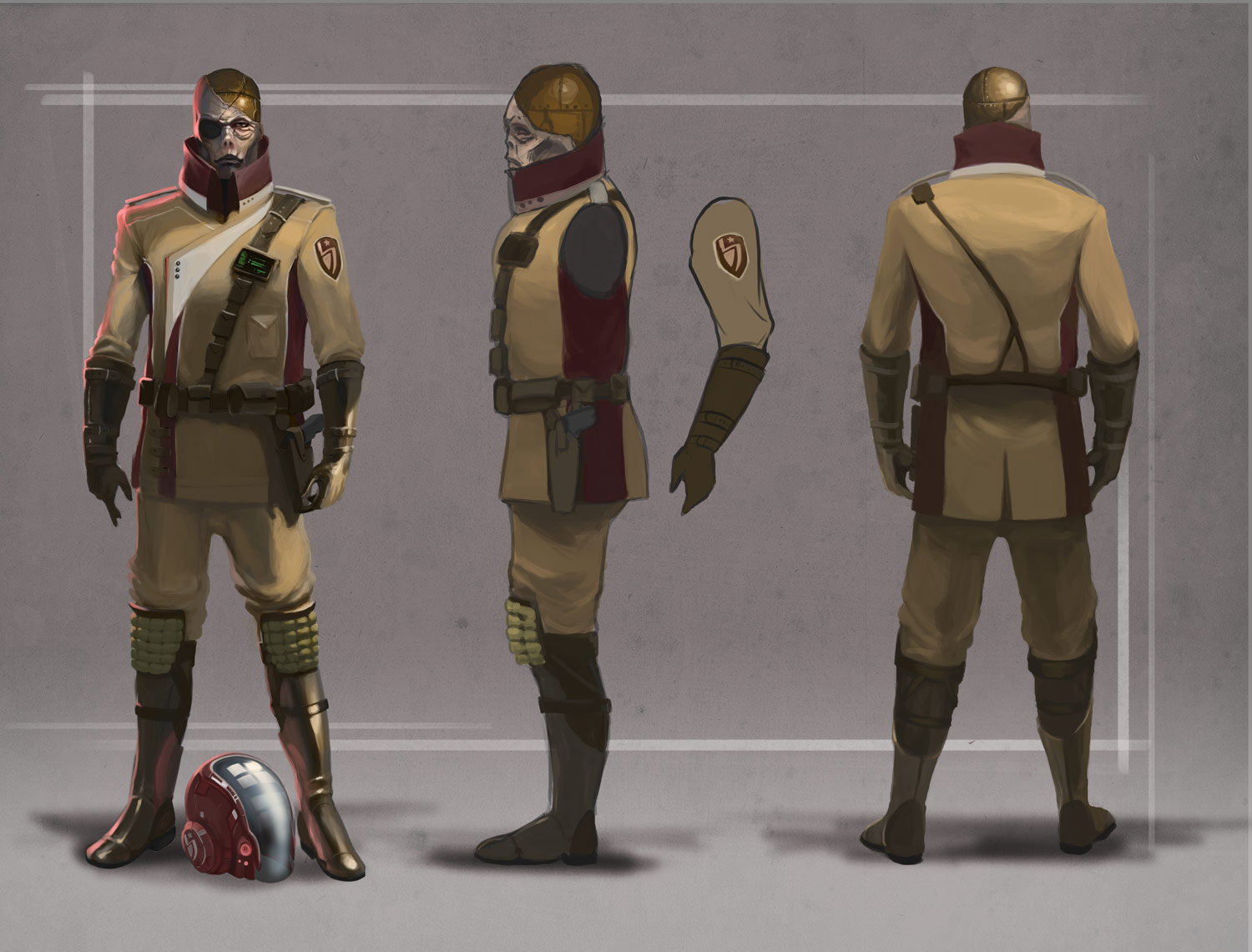
Resolving the character presentation
I carried the design into a more developed presentation, bringing its forms and details together across views. This connected the earlier exploration with a coherent visual identity.
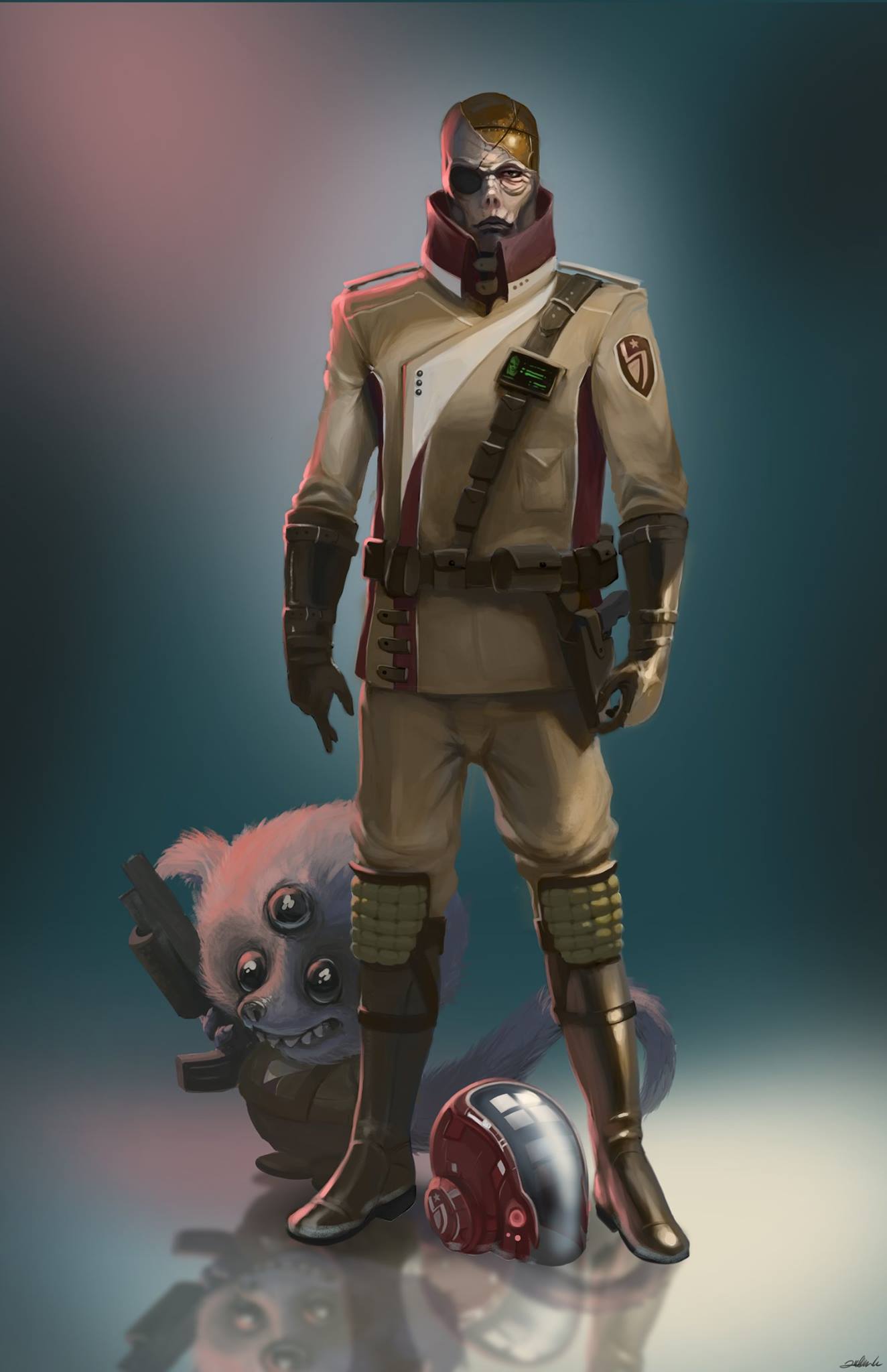
Finishing the character artwork
I developed the final character illustration using the design established through the exploratory work. The result demonstrates the connection between concept development and finished visual communication.
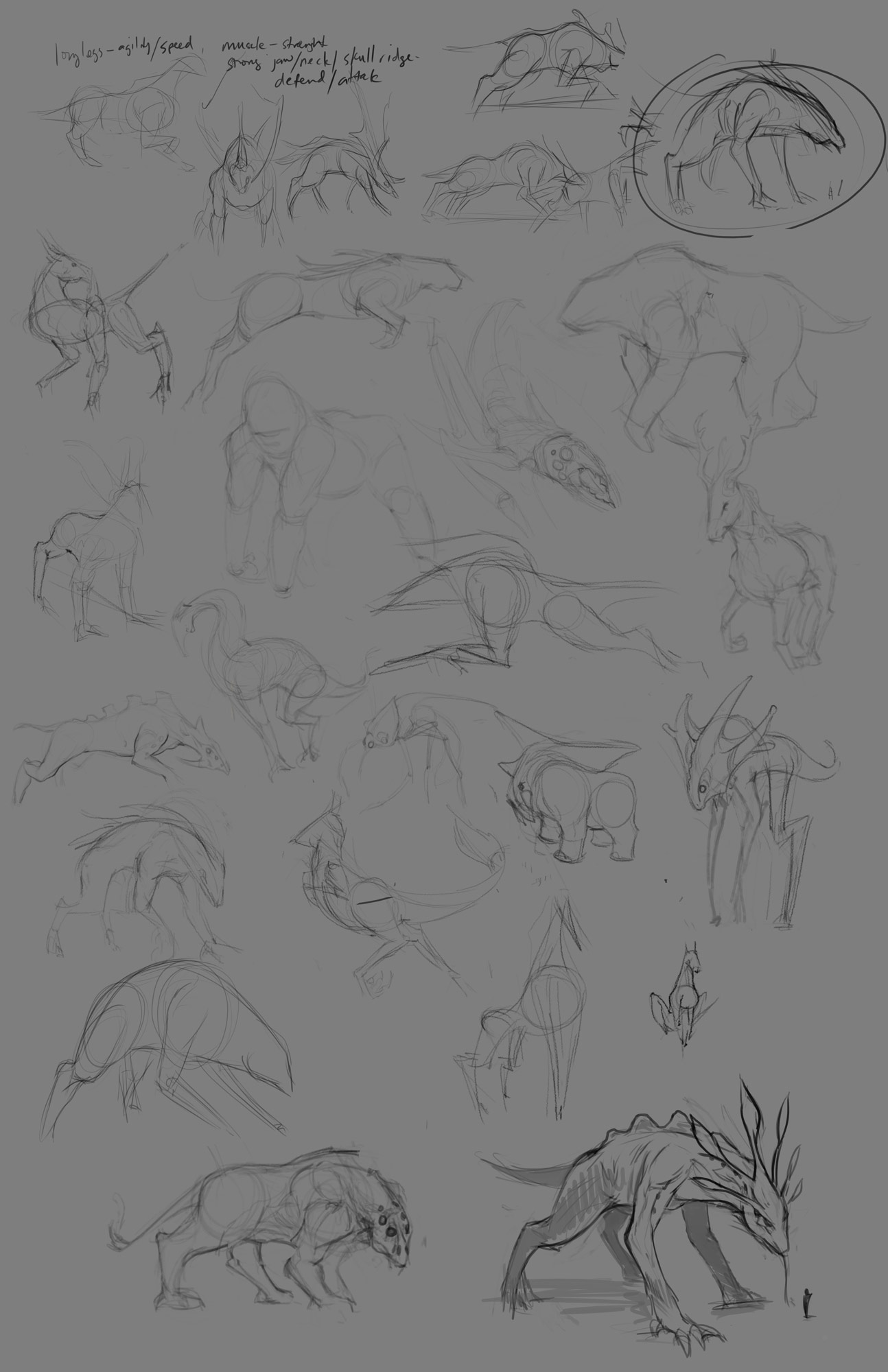
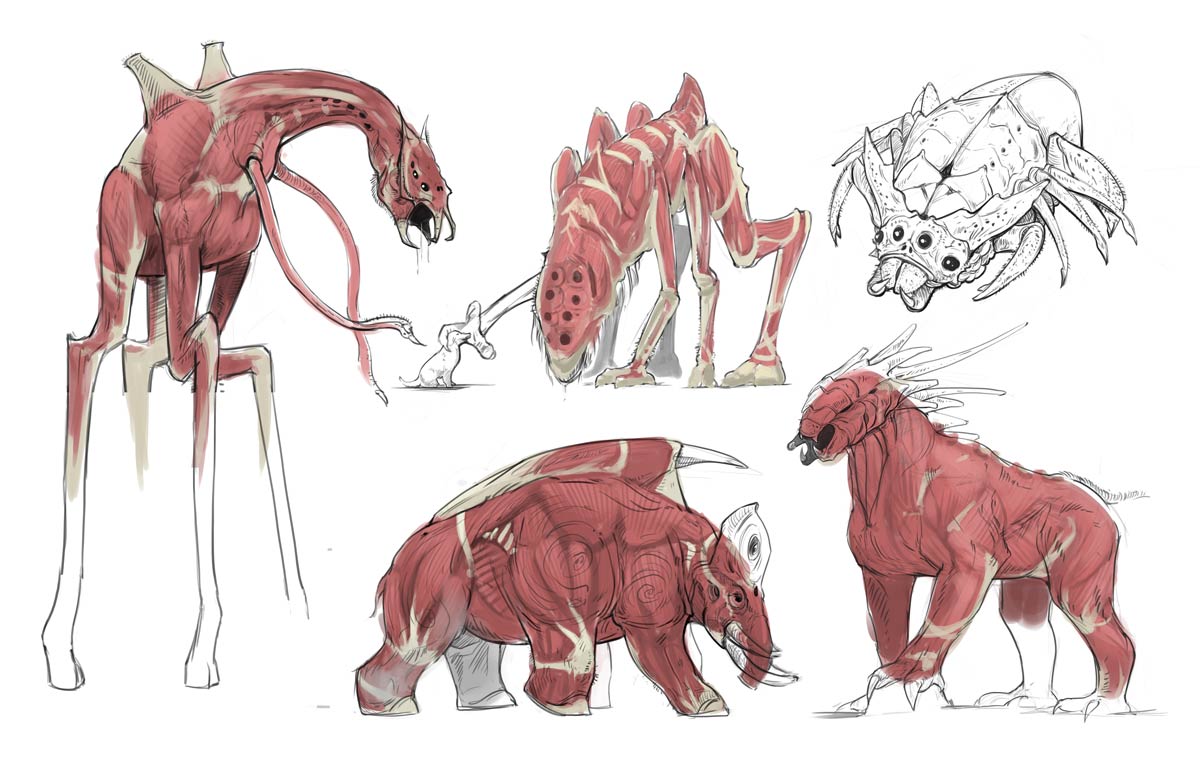
Exploring creature silhouettes and behavior
I developed these thumbnail sketches to test body proportions, posture and movement before committing to a creature design. Long-legged runners, low-slung predators and heavier quadrupeds explore different relationships between speed, strength and mass. Small human figures establish scale, while notes on the jaw, neck and limbs connect the creature’s appearance to its intended behavior.
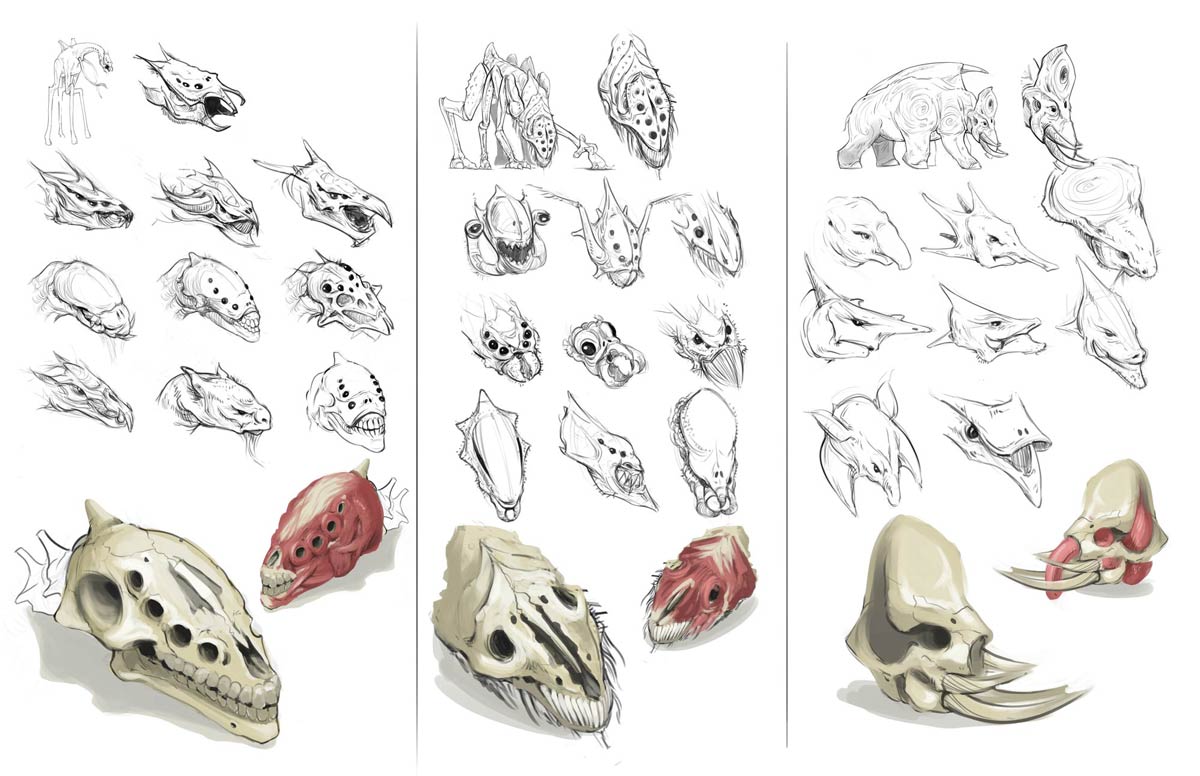
Building identity through skull and head design
I explored three distinct creature families through variations in skull shape, eye placement, jaws, horns and tusks. The painted skull and muscle studies connect the external silhouette to an imagined underlying structure. This gives each design a recognizable identity while keeping its features visually consistent with the anatomy beneath them.
Connecting anatomy to movement
I developed muscle studies to explain how these invented bodies support their weight and move. The elongated limbs of the tall creature contrast with the compact mass of the tusked quadruped, while shoulder, hip and neck structures establish different physical capabilities. Exposed anatomy makes those choices visible before surface texture and color become the focus.
Resolving the creature across multiple views
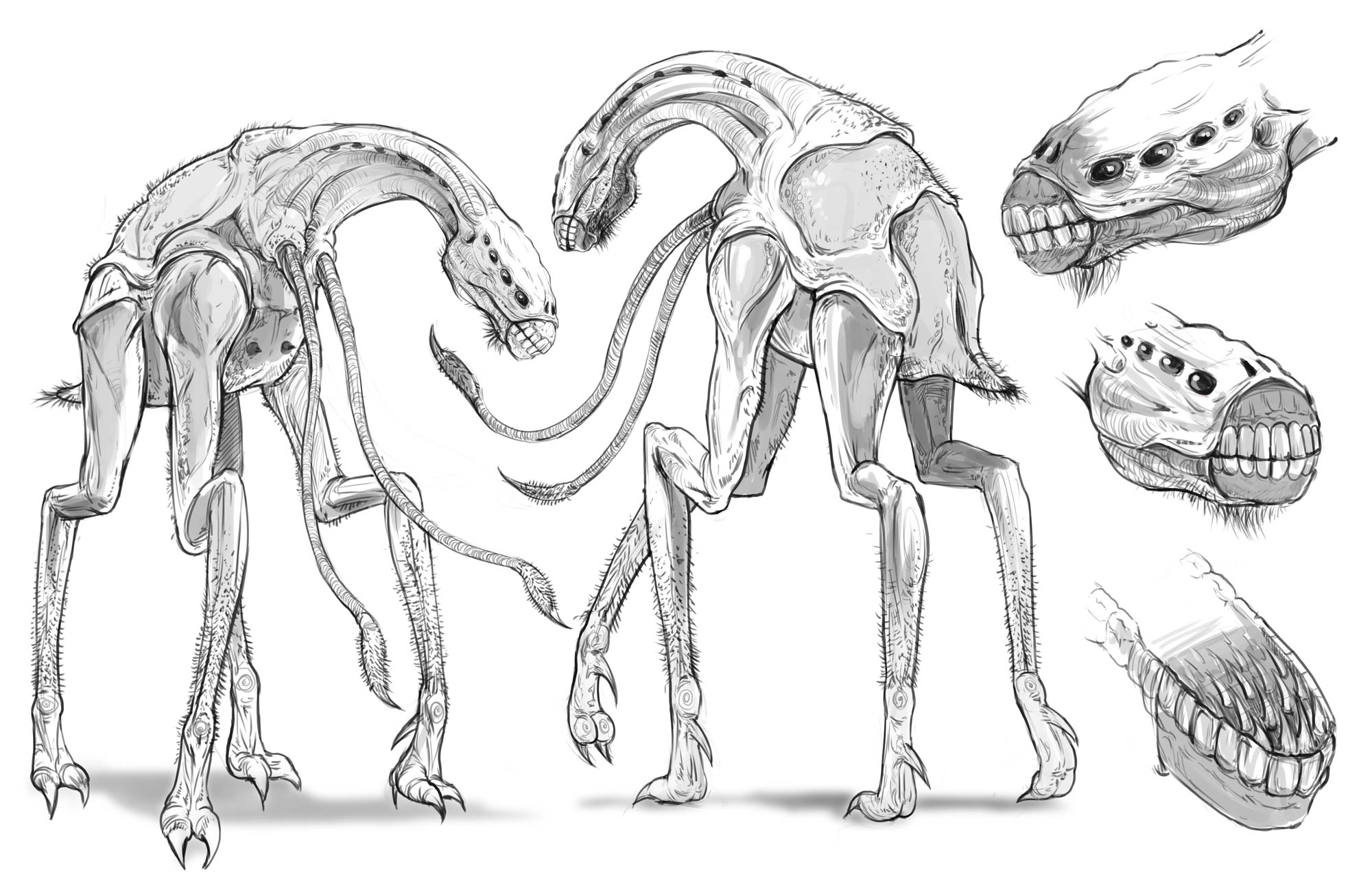
I refined the selected long-necked creature through front and rear three-quarter views, supported by close studies of its head and mouth. Repeated anatomical landmarks—the arched neck, multiple eyes, long limbs and paired appendages—keep the design consistent as the viewpoint changes. Line weight and selective shading clarify overlapping forms, joints and surface detail.
Bringing the creature into a fictional world
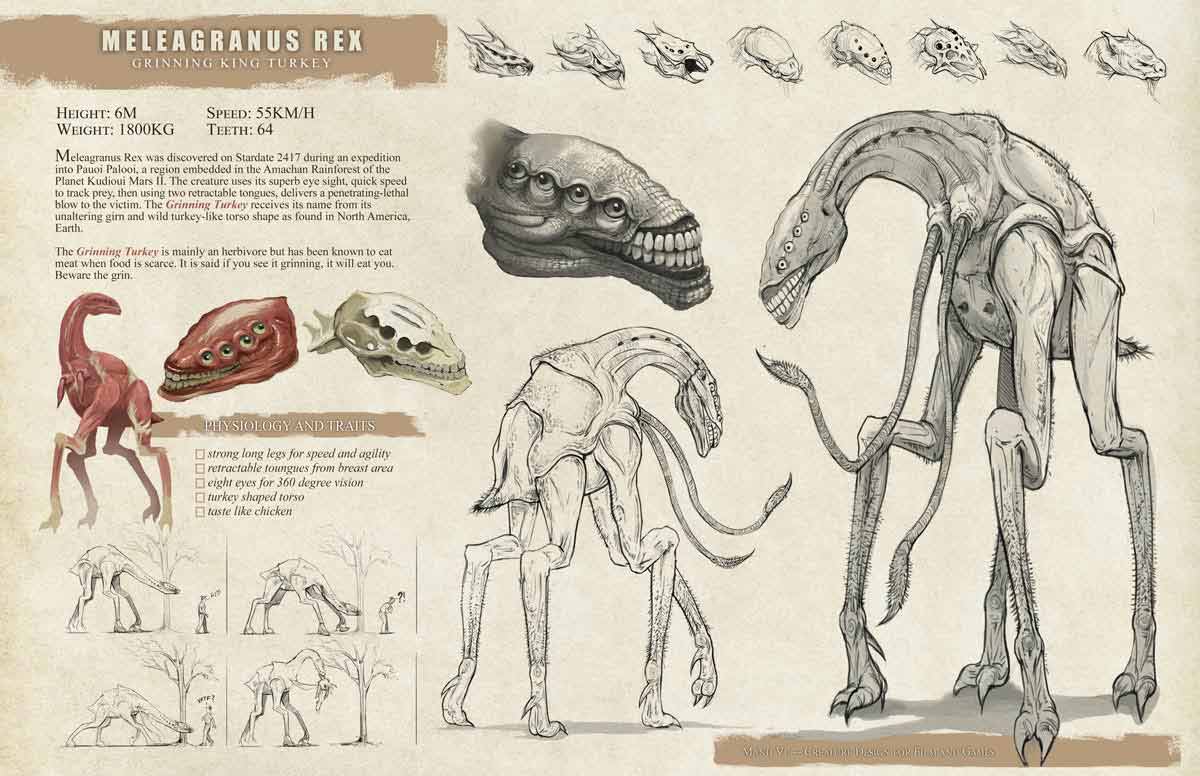
I brought the development together in a presentation sheet for Meleagranus Rex, the “Grinning King Turkey.” The board combines resolved views, head exploration, anatomical studies and human-scale comparisons with fictional species notes. Its field-guide treatment connects the creature’s physical design to habitat, behavior and narrative, communicating both what it looks like and how it belongs in its world.

Experiential Design
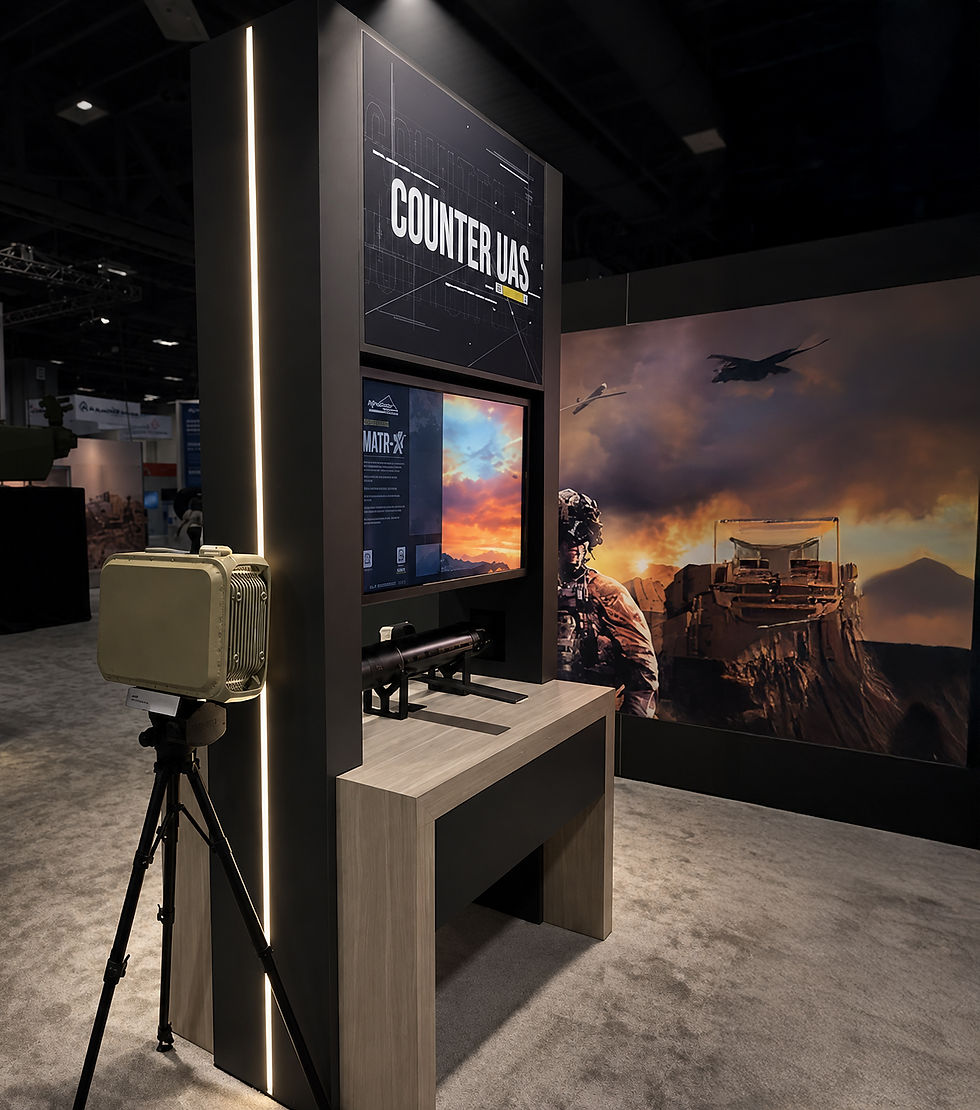
26 DEFENSE

Experiential Design
GUBER'S RUN
Experiential Design
PRIMEX

Experiential Design
LIKE BIRDS

Creative Technology
MY AI WORKFLOW:
3D to RENDER

Creative Technology
MY AI WORKFLOW:
NEURAL NETWORK TRAINING

Creative Technology
MY AI PROJECT:
EDGE INFERENCING

Creative Technology
NEXT GEN COCKPIT

Creative Technology
ZERO-G
Creative Technology
INTERACTIVES

Creative Technology
AREN

Art Direction
ANGRY BIRDS

Art Direction
COMMISSIONED PAINTINGS

Art Direction
CREATURE / CHARACTER DESIGN

Art Direction
VALUSOFT / COSMI

UI/UX Development
2ND GEAR

UI/UX Development
LA HOMES AND ARCHITECTURE

UI/UX Development