
featured work
MY AI PROJECT:
EDGE INFERENCING
Edge Inferencing Local AI Memory System
ROLE
CLIENT
DISCIPLINE
Creator & Developer
Self-initiated AI application
Creative Technology · UI/UX Development · AI Workflow Design · 3D Visualization
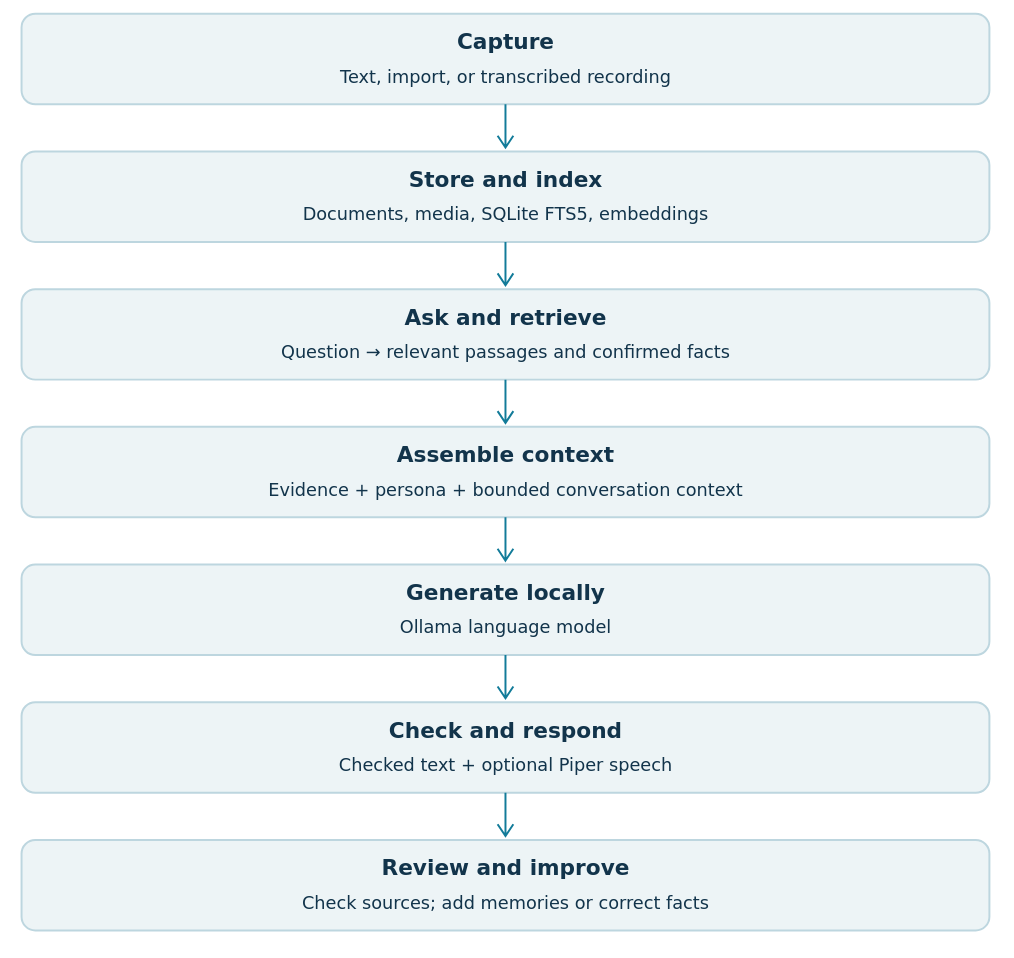
From Personal Archives to Evidence-Based Conversation
I created Project Sojo as a personal AI memory system, designing and developing the conversational interface, local retrieval workflow and dedicated desktop device. My work spans UI/UX, software development, enclosure CAD and physical prototyping. I prepared and 3D-printed the enclosure myself, bringing the digital experience and its physical housing into one working prototype.
Sojo combines a browser interface, local storage and on-device language-model inference to help people preserve and revisit personal stories. I designed the experience around source-linked information that users can inspect and correct.

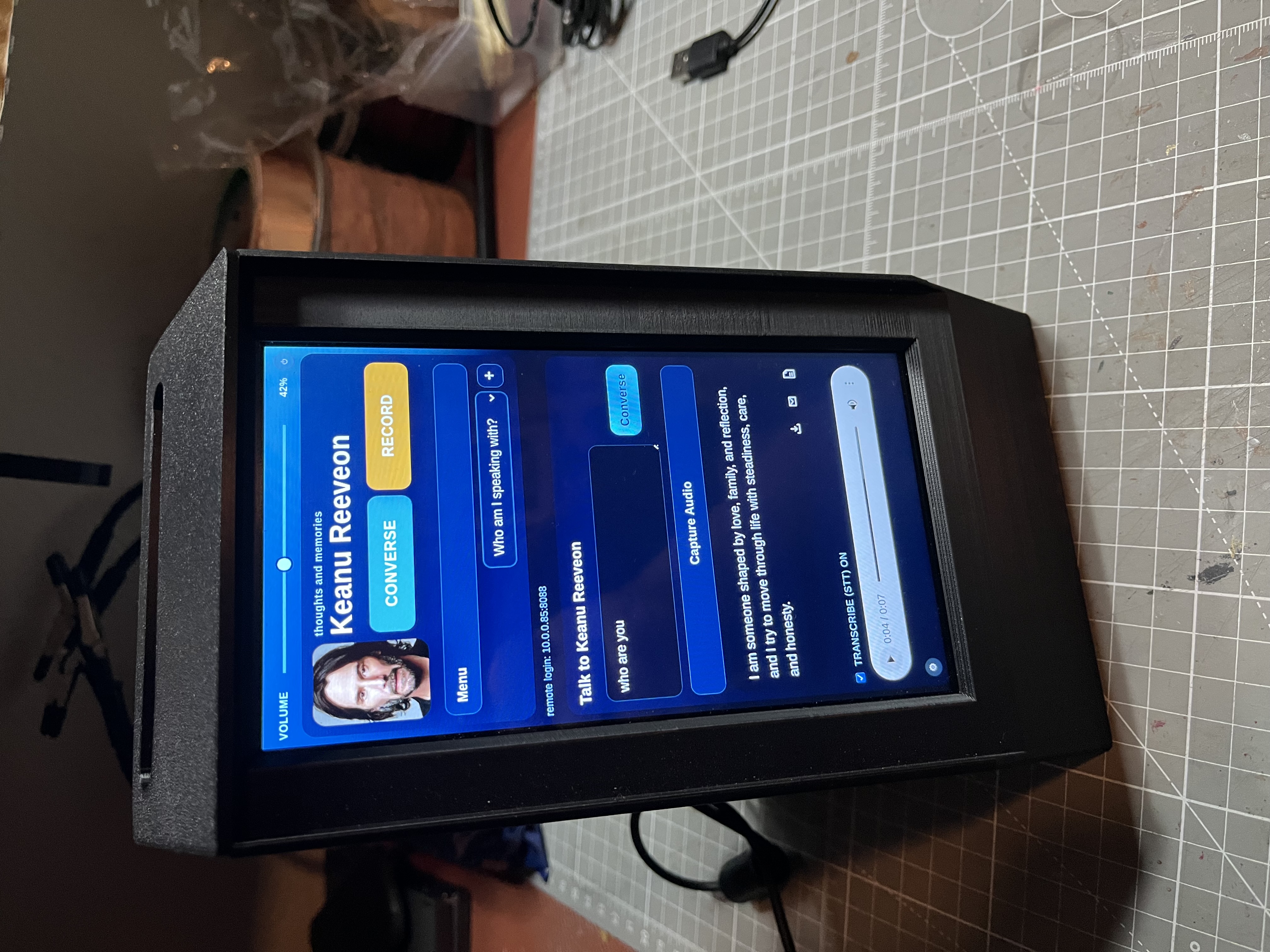
Turning Recall into a Natural Interaction
Converse allows users to explore a selected person’s saved experiences through questions rather than file navigation. Brief and Story response modes provide control over the level of detail, supporting both quick recollection and more expansive storytelling.
Behind the interface, Sojo retrieves relevant material, assembles context, and generates a local response. Eligible answers appear sentence by sentence, while sensitive or biographical responses may wait for final checks. Optional speech output adds another way to engage with the collection.
The configured persona shapes presentation—not factual authority. First-person responses represent an AI-generated interpretation of stored material, not the person speaking live.
The browser interface brings conversation, recording, and profile selection into one view. The displayed persona is an AI-generated presentation of stored material, not the person speaking live.
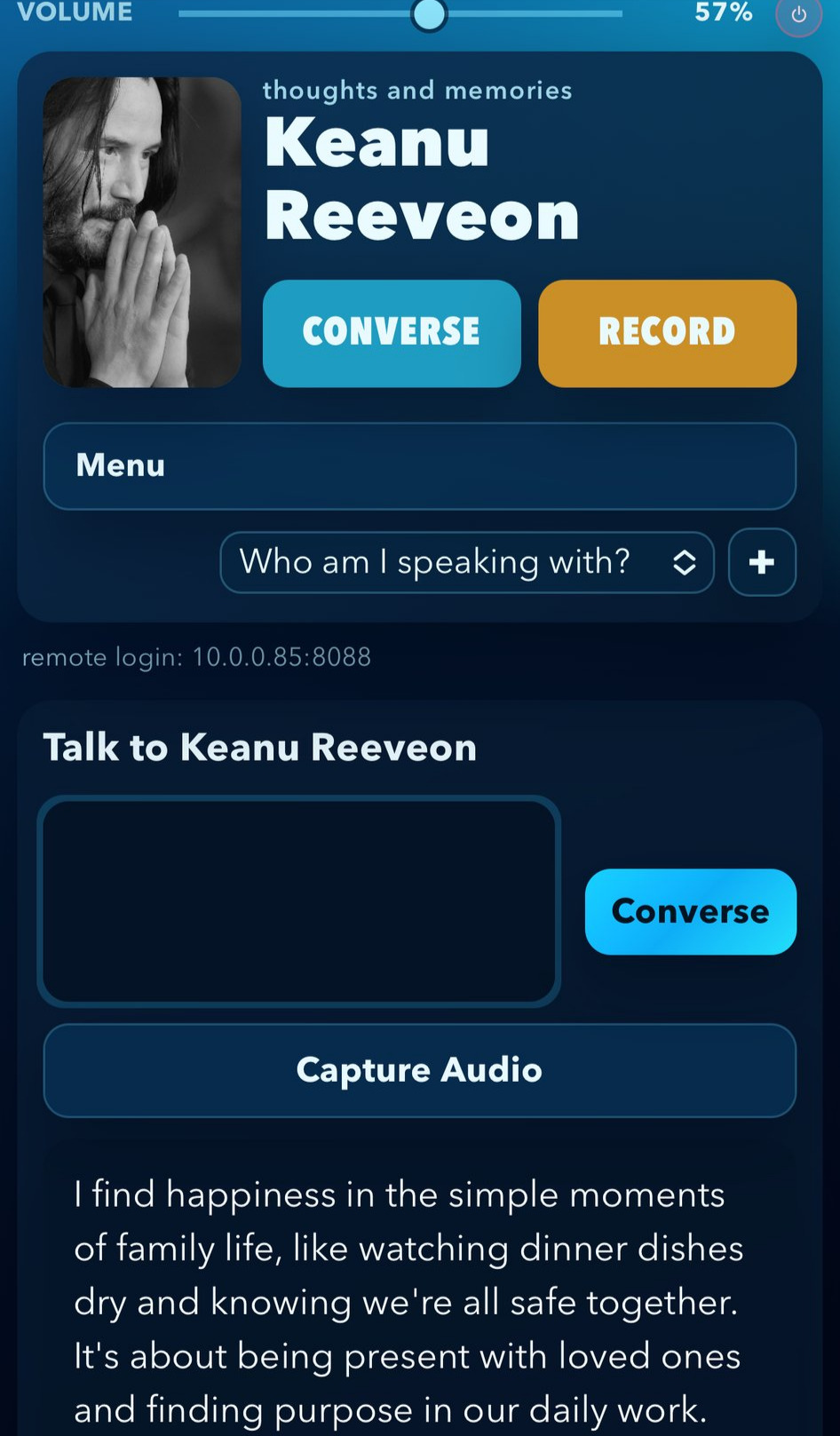
Giving Local AI a Physical Form
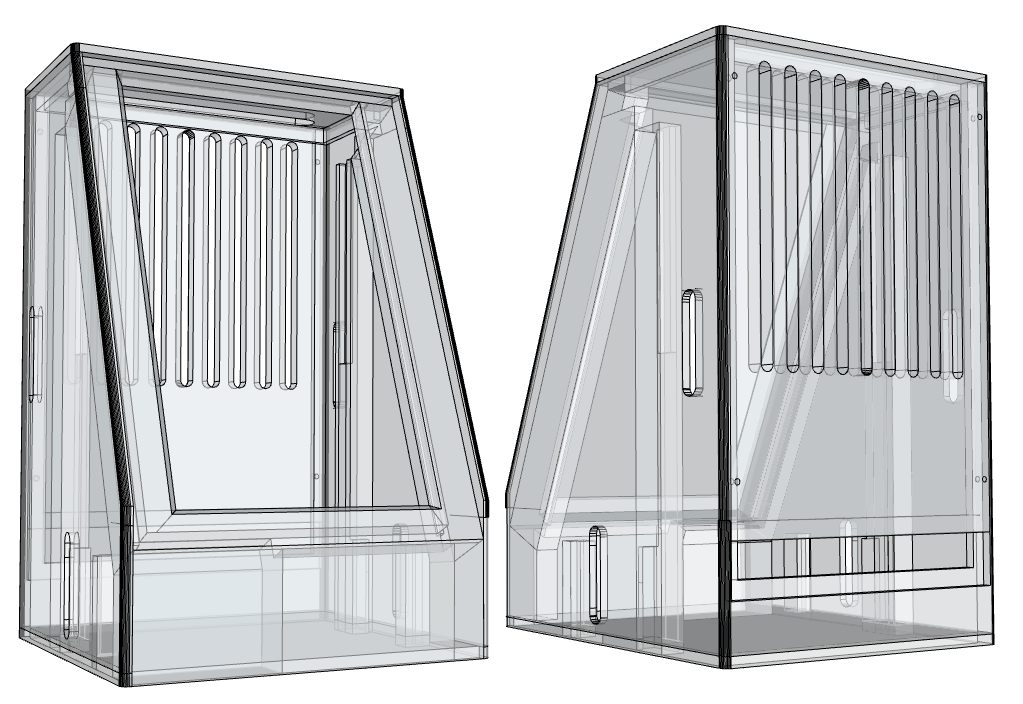
I designed the enclosure in CAD around the display, computing hardware and connections. The angled screen opening, internal clearances and ventilation slots translate the interface into a dedicated desktop object. I used the model to review component space and access before preparing the enclosure for my own 3D printing.
Documenting the Enclosure
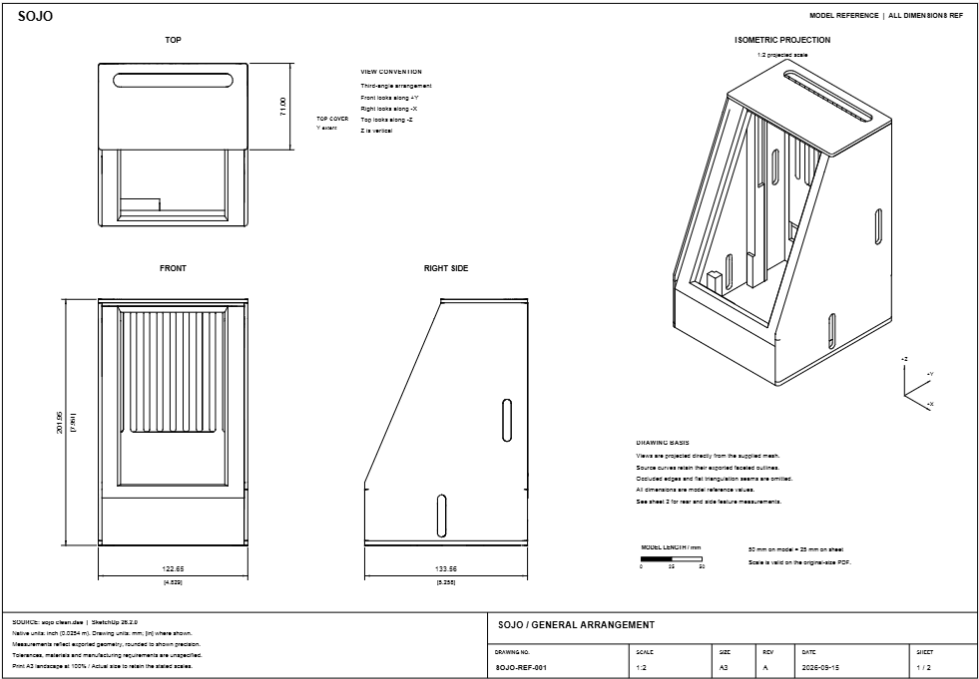
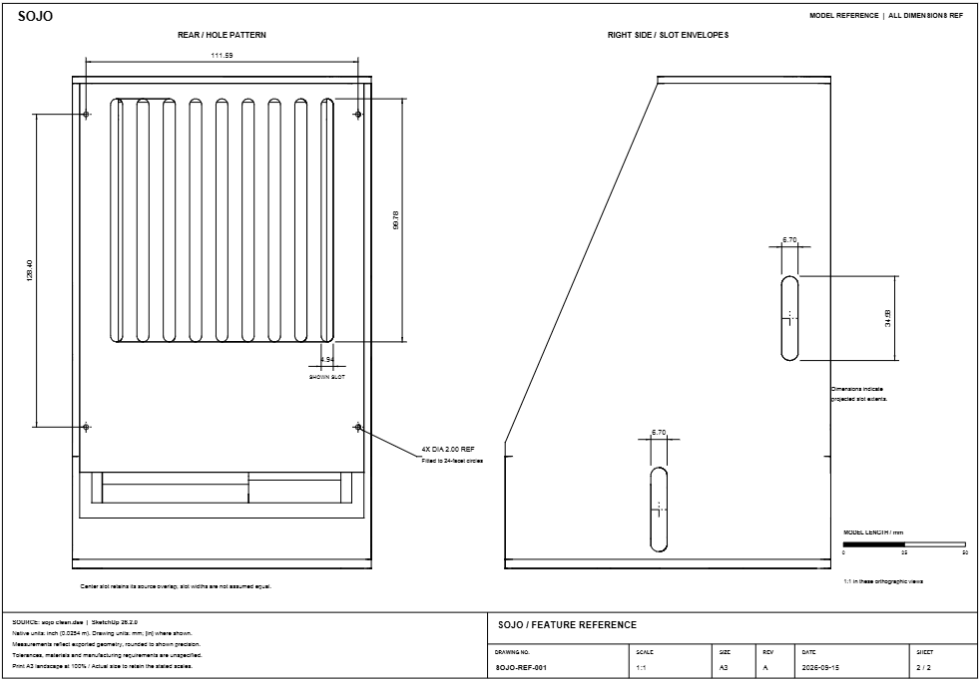
I developed the enclosure geometry in CAD and used top, front, side and isometric reference views to communicate its form. Rear openings and side slots show how the housing accommodates ventilation and connections. These model-derived drawings document the prototype design rather than certified manufacturing tolerances.
Rear and side reference views document ventilation openings, mounting holes, and slot locations.
From CAD to my own 3D-printed prototype
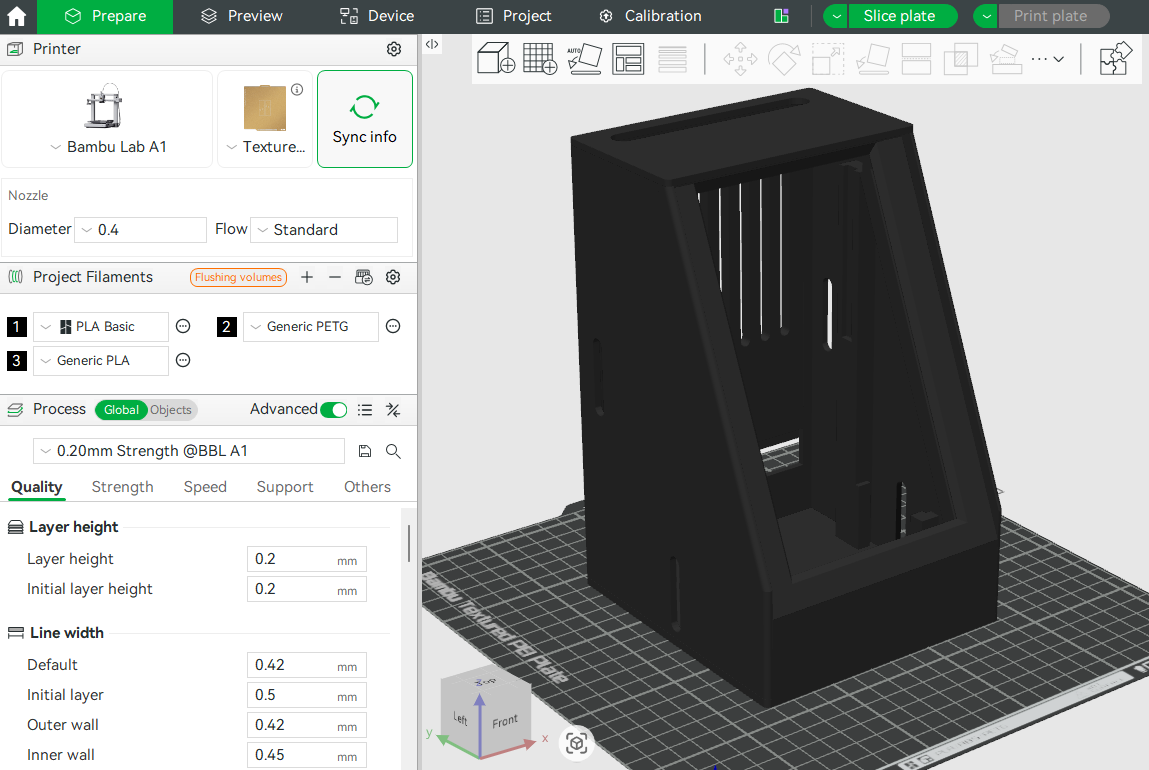
I prepared the enclosure model in the slicer, set its build orientation and print settings, and 3D-printed the parts myself. This personal project allowed me to carry the design directly from CAD into a physical prototype and check the fit of the display, rear cover and electronics.
Bringing the Components Together
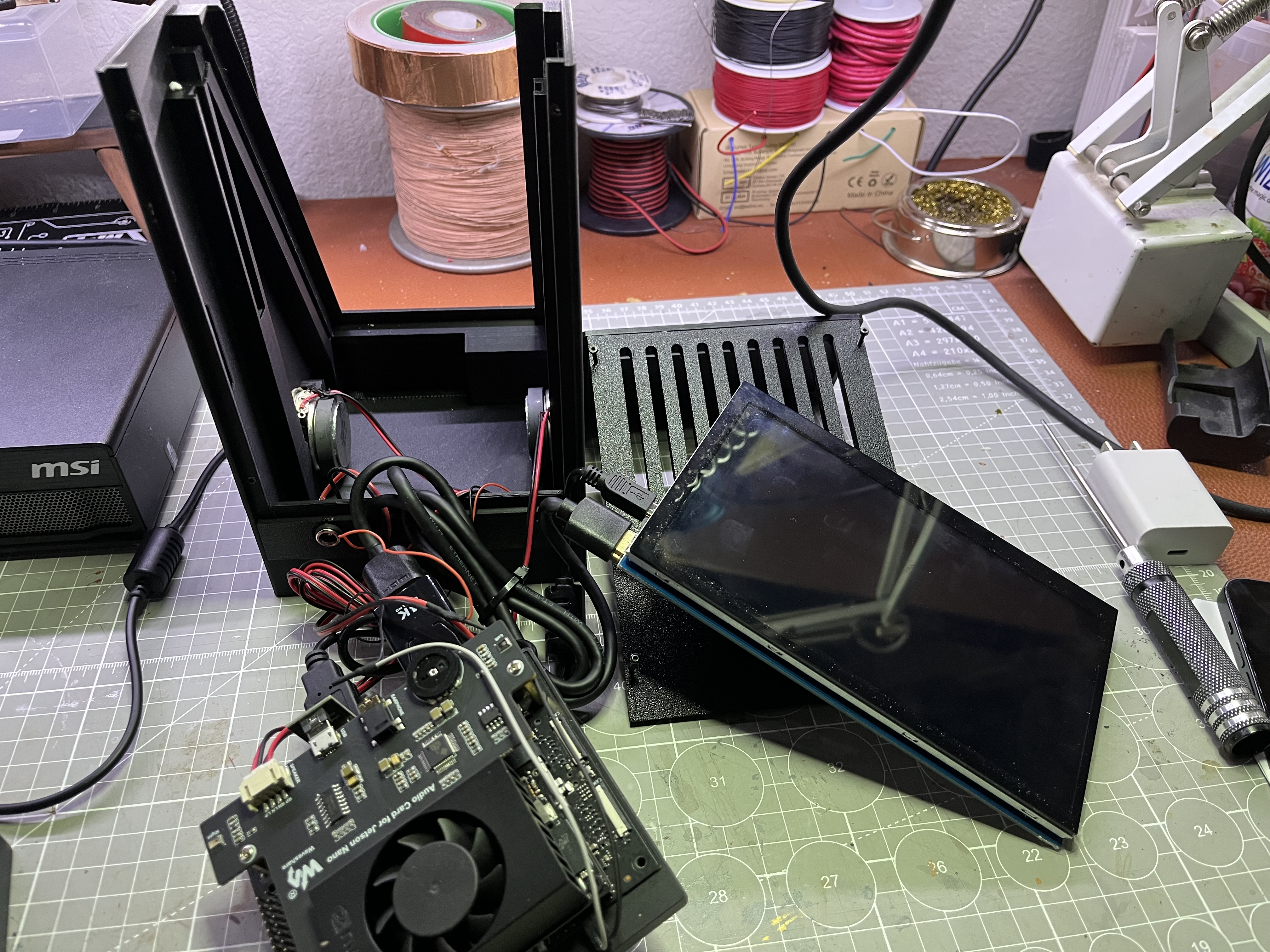
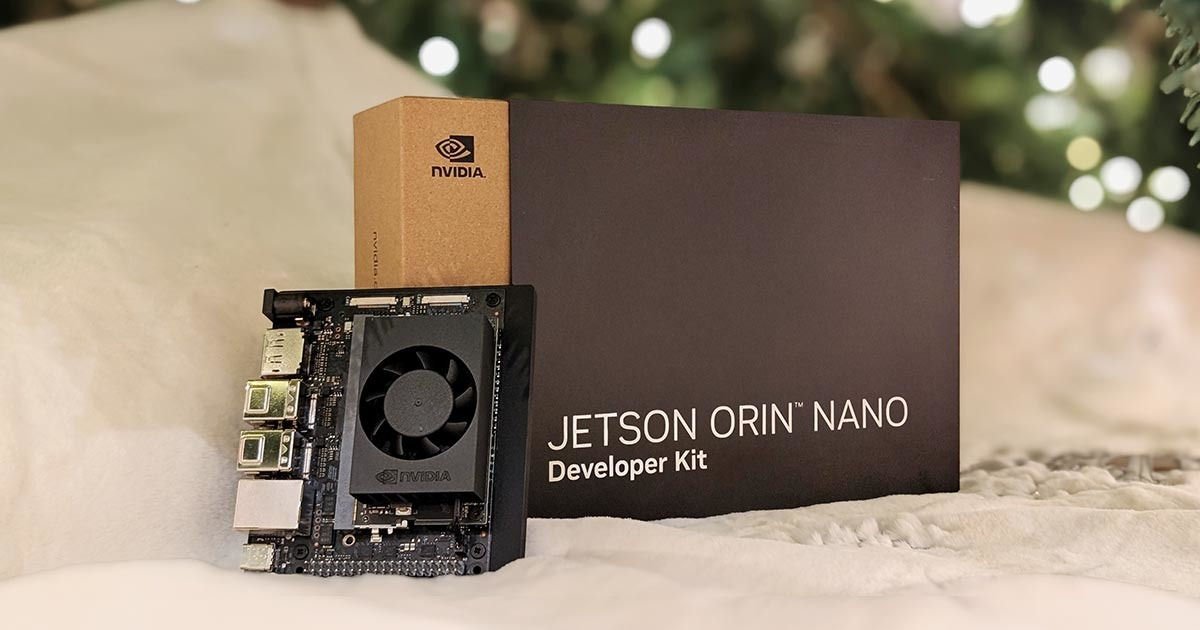
I brought the 3D-printed enclosure, display, computing hardware, speakers and cabling together as a personal prototype. Working across software and physical design let me check how the conversational interface, screen position and component layout functioned as one device.
Jetson-based computing supports the project’s on-device inference workflow. Model choice and resource allocation remain part of configuring the experience for the available hardware.
Integrating the Display and Connections
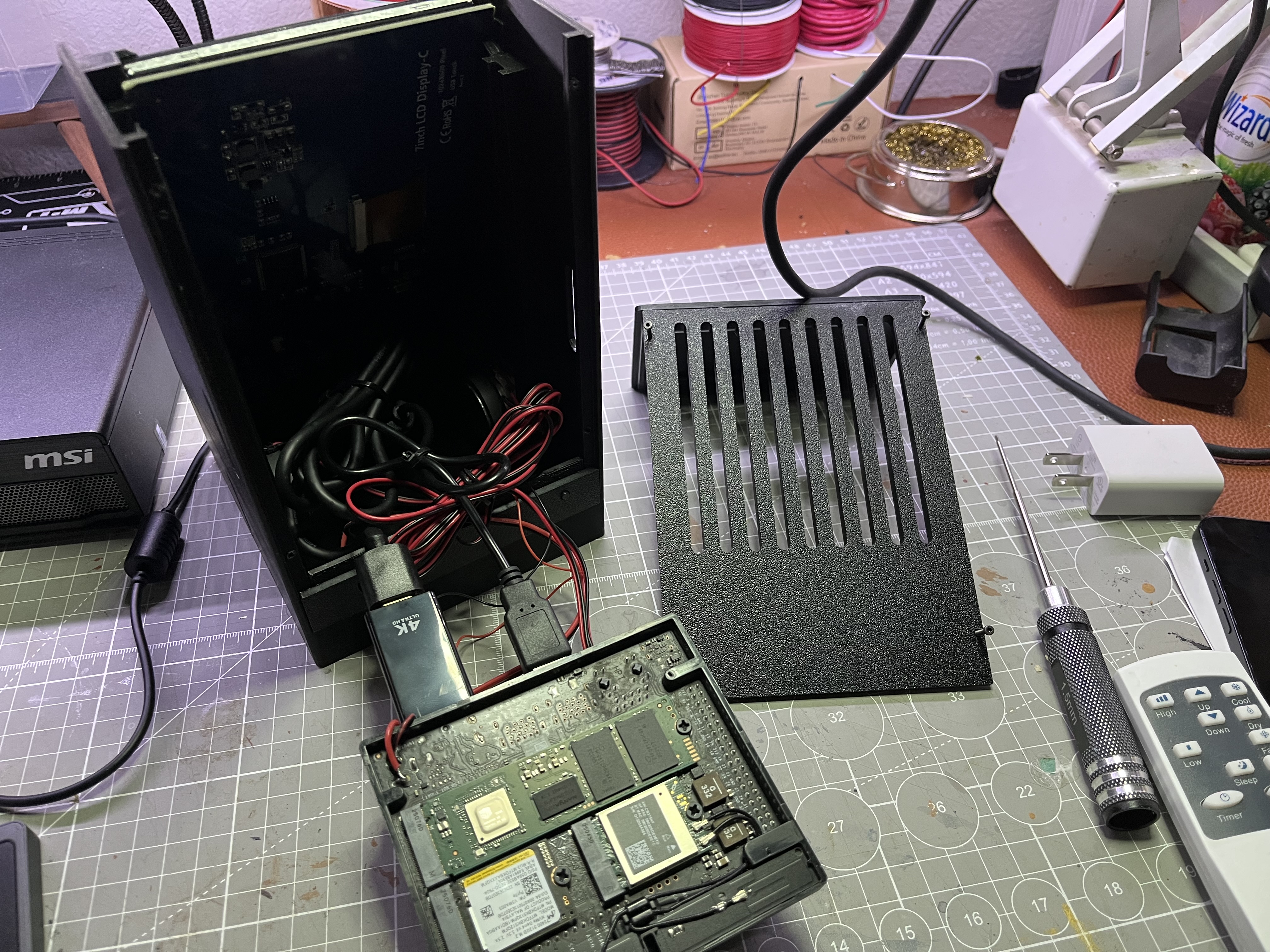
I integrated the display and connections into the enclosure I designed and printed. The open rear view documents the space needed for the computing board, cables and rear cover, making the practical relationship between the CAD layout and assembled prototype visible.
A Closer Look at the Assembled Hardware
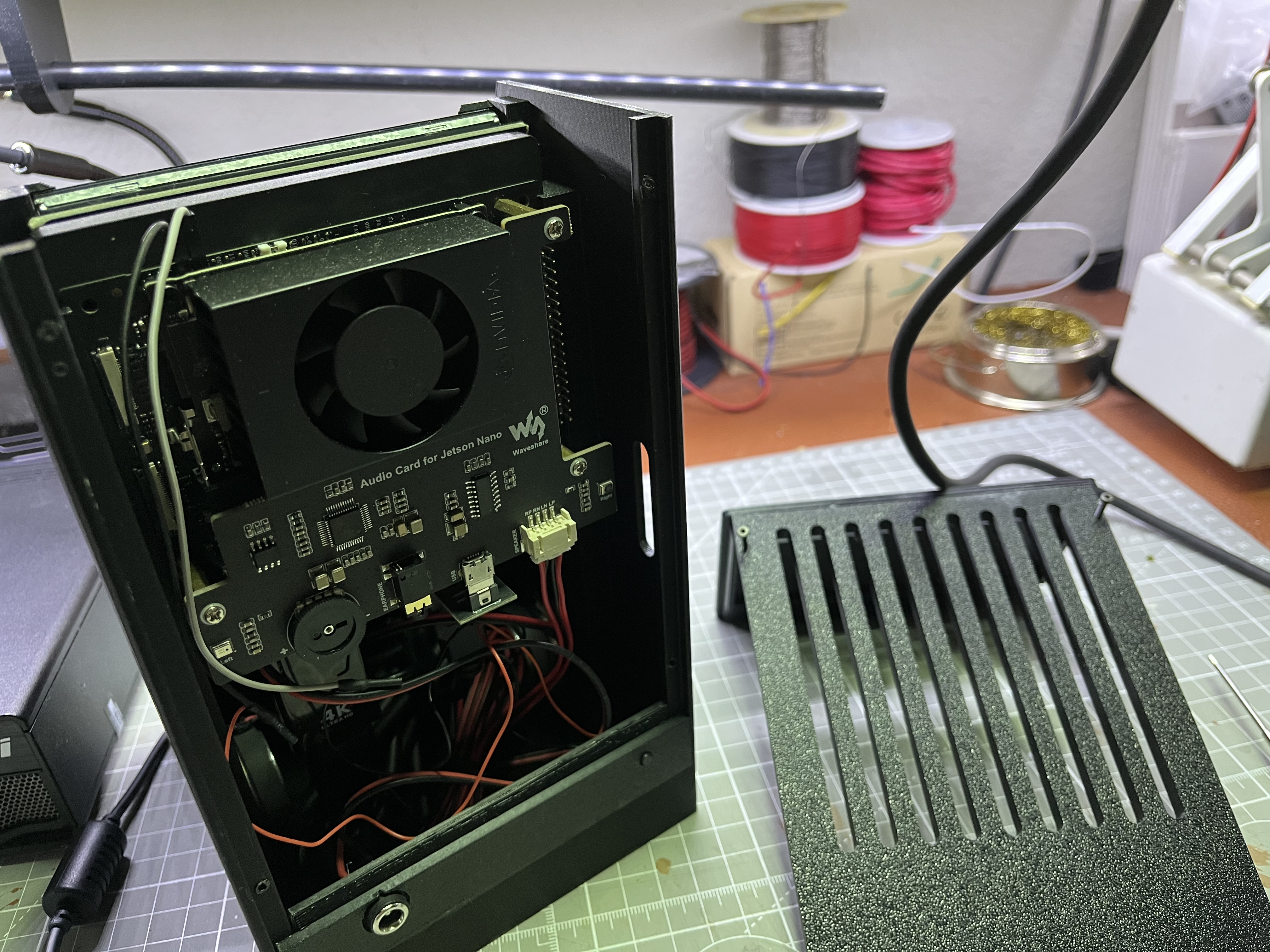
I developed Sojo across interface design, local AI software, enclosure CAD and personal 3D printing. This close-up documents the computing and audio hardware behind the display. The physical prototype supports the same goal as the software: helping people preserve personal experiences and return to them through conversation.

Experiential Design
26 DEFENSE

Experiential Design
GUBER'S RUN
Experiential Design
PRIMEX

Experiential Design
LIKE BIRDS

Creative Technology
MY AI WORKFLOW:
3D to RENDER

Creative Technology
MY AI WORKFLOW:
NEURAL NETWORK TRAINING

Creative Technology
MY AI PROJECT:
EDGE INFERENCING

Creative Technology
NEXT GEN COCKPIT

Creative Technology
ZERO-G
Creative Technology
INTERACTIVES

Creative Technology
AREN

Art Direction
ANGRY BIRDS

Art Direction
COMMISSIONED PAINTINGS

Art Direction
CREATURE / CHARACTER DESIGN

Art Direction
VALUSOFT / COSMI

UI/UX Development
2ND GEAR

UI/UX Development
LA HOMES AND ARCHITECTURE

UI/UX Development